Infrared neuromodulation of gastrointestinal nodose ganglionic pathways in the ferret
These data show the effects of infrared light applied to the cervical vagus nerve on gastrointestinal nodose ganglion cell activity in the ferret.
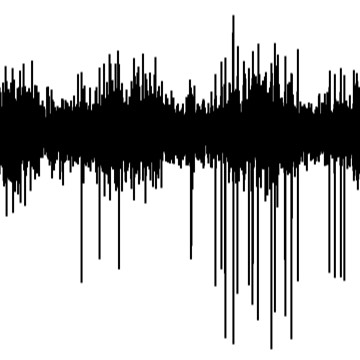
Dataset Overview
Study Purpose: Studies were conducted in ferrets to determine whether infrared (IR) light exposure to the cervical vagus can modulate gastrointestinal nodose ganglion cell activity. The ferret is a common model to test vagus nerve signaling, including emesis. In contrast, rodents, such as rats and mice, lack a vomiting response.
Data Collection: This dataset contains gastric myoelectric activity and nodose ganglion activity recorded from multi-electrode arrays surgically implanted on the serosal surface of the GI tract and the nodose ganglion, respectively, to study changes in response to cervical vagus IR exposure and electrical stimulation.
Primary Conclusion: Not stated.
Curator's Notes
Experimental Design: Experiments were conducted under isoflurane anesthesia in two studies: Study 1 (n=9; 6 left ganglion, 3 right ganglion): IR exposure was applied to the cervical vagus nerve while recording nodose cell activity using a 32-channel electrode array, GI tract myoelectric responses from 6 planar electrode sites on the gastric fundus, body, antrum, and duodenum, along with respiration and blood pressure monitoring for off-target effects. Study 2 (n=6): The ability of cervical vagus nerve IR exposure to inhibit or excite specific nodose ganglion cell populations in response to gastric distension was assessed. Recordings were collected using the Ripple Grapevine Neural Interface Processor.Experiments included electrical stimulation with left (n=6) or right (n=3) nodose ganglion recordings, gastric distension with left (n=2) or right (n=2) nodose ganglion recordings, and high IR controls with left (n=1) or right (n=1) nodose ganglion recordings.
Completeness: This dataset is part of a larger study: "Vagal neuromodulation of gastrointestinal nodose ganglionic pathways in the ferret."
Subjects & Samples: Male (n=15) adult ferrets (Mustela putorius furo) aged 163-185 days were used in this study.
Primary vs derivative data: Primary data is organized by subject folders containing Trellis and Spike2 data files along with configuration files. There is no derivative data folder.
Code Availability: Post-hoc analysis code is provided in the code folder. For instructions, refer to the .md files in the protocols folder.
Important Notes: The protocols folder contains detailed experimental protocols for acute IR and electrical stimulation testing, gastric distension experiments, and perfusion fixation procedures. The folder also includes analysis environment setup instructions and analysis steps documentation for data filtering and processing.
Files
1 - 0 of 0 files
About this dataset
Publishing history
Cite this dataset
Tags
References
Is Supplemented by
C Horn, C., M. Miller, D., Fulton, S., J. Yates, B., E. Fisher, L., & C. Nanivadekar, A. (2019). SPARC - Acute surgery and experimentation of the gastrointestinal tract and vagus nerve in the ferret v1. https://doi.org/10.17504/protocols.io.6a7hahn

Copyright © 2026 University of Pennsylvania. All rights reserved.